 Myda Risk & Safety Sdn Bhd
☰ Menu
Manual Tank Cleaning & Maintenance ▾
Robotic Tank Cleaning & Inspection
Myda Risk & Safety Sdn Bhd
Robotic Tank Cleaning & Inspection
Confined Space Competent Personnel
Scope and Responsibilities
An Entry Supervisor is a crucial figure appointed by employers to oversee confined space entry operations. This trained professional plays a pivotal role in ensuring the safety of workers involved in confined space work.
To qualify as an Entry Supervisor, individuals must attend a recognized training course on safe working in confined spaces for Authorized Gas Testers and Entry Supervisors, conducted by organizations like NIOSH and other DOSH-approved providers. They must also pass the Authorized Gas Tester examination to demonstrate their expertise in confined space safety.
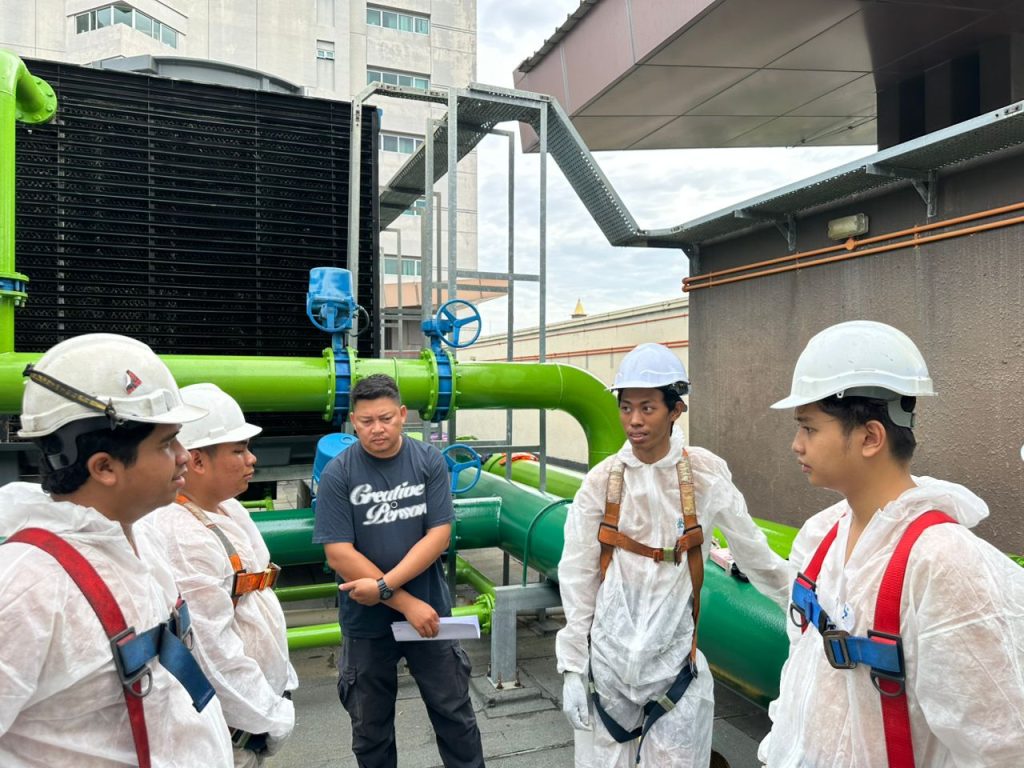
The Entry Supervisor is responsible for staying up-to-date with the hazards associated with confined spaces, including the modes of exposure, signs and symptoms of potential risks, and the consequences of exposure. Common confined space hazards include:
Toxic gases and chemicals — carbon monoxide, hydrogen sulfide, methane, ammonia and other volatile substances.
Lack of oxygen — oxygen-deficient atmospheres that can cause asphyxiation.
Flammable or explosive atmosphere — gases, vapors or dust that sparks or open flames may ignite.
Engulfment and entrapment — loose materials in silos or bins, and machinery inside the space.
Limited entry and exit points — making escape difficult in an emergency.
Physical hazards — sharp edges, uneven surfaces or moving parts.
Temperature extremes — risks of heat exhaustion, heat stroke or hypothermia.
Biological hazards — mold, bacteria and other contaminants.
Electrical hazards — exposure to shocks or electrocution.
Communication challenges — limited access to communication devices inside the space.
The Entry Supervisor takes charge of overseeing and managing all activities related to confined space entry, including pre-entry preparations, the entry operation itself, and post-entry procedures, ensuring safety measures are adhered to at all stages.
Before permitting entry, the Entry Supervisor verifies the permit to work — ensuring all necessary entries are completed, required tests are conducted, and specified procedures and equipment are in place. Only then will entry be authorised.
If acceptable entry conditions cannot be maintained, the Entry Supervisor has the authority to terminate the entry operation and close the permit to work to prevent potential hazards from escalating.
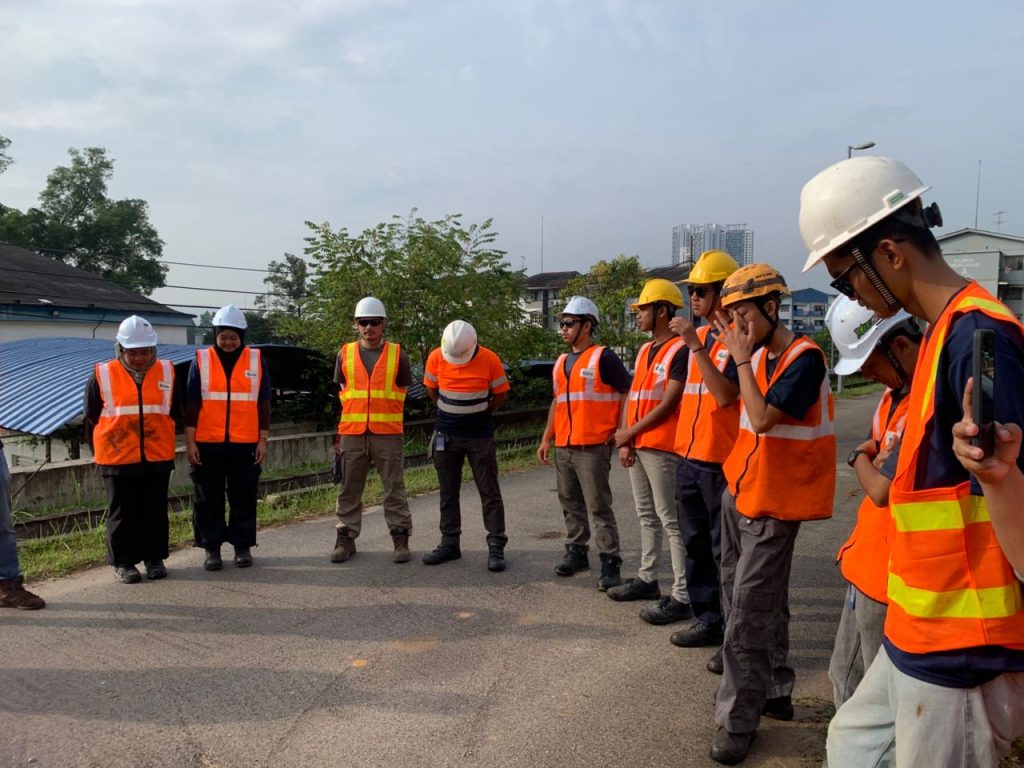
The Entry Supervisor confirms that rescue services are available before any entry takes place and that the means of summoning them are functional. They are also in charge of communication during emergencies.
It is the Entry Supervisor's responsibility to prevent unauthorised individuals from entering the confined space during entry operations, restricting access to authorised personnel only.
When responsibility for an entry operation is transferred, the Entry Supervisor ensures operations remain consistent with the permit-to-work terms and that acceptable entry conditions are maintained through periodic checks.
Before entry, the Entry Supervisor briefs the entry team on hazards, permit-to-work requirements and emergency procedures. After the entry, a debriefing session is held to discuss the programme and any hazards encountered.
Entry Supervisors ensure that means to restrict unauthorised entry into the confined space are available and effectively implemented.
If an Entry Supervisor is also required to be a permit issuer for a permit to work, they cannot be the Entry Supervisor for the work described in that permit. This separation of responsibilities ensures the integrity of the safety procedures.
Myda Risk & Safety has been in the confined space industry for 10 years, serving over 100 clients, and is certified by governmental bodies and industrial associations like the Malaysian Authorised Gas Tester Association (MAGTA). Contact us today to discuss your confined space safety requirements.